
Views: 0 Author: Site Editor Publish Time: 2025-10-17 Origin: Site


Are solar street lights worth the investment? With rising energy costs and environmental concerns, many are considering alternatives. Solar street lights, particularly All in One Solar Street Lights, offer a promising solution. In this post, you'll learn about their benefits, drawbacks, and real-world applications, helping you decide if they're the right choice for your community or project.
Solar street lights offer significant savings over time. Although the initial purchase and installation costs can be higher than traditional lighting, solar lights eliminate electricity bills. They don’t require trenching or wiring, which cuts installation expenses. Maintenance costs are also lower because solar lights use long-lasting LED bulbs and have fewer parts that can fail. Over 10 years, many communities save 50-70% on lighting costs by switching to solar. For example, a town in West Africa saved thousands annually on energy and repairs after installing solar street lights.
Using solar street lights reduces carbon emissions since they rely on clean, renewable solar energy instead of fossil fuels. Traditional street lights consume electricity often generated by coal or gas, which contributes to climate change. Solar lights produce no harmful gases or pollutants. They also use recyclable materials like aluminum and monocrystalline silicon, minimizing environmental impact. This eco-friendly design helps cities and towns meet sustainability goals while lowering their carbon footprint. Choosing solar lighting supports a cleaner, greener future for communities.
Solar street lights operate independently of the electrical grid, making them reliable in areas with unstable or no power supply. They continue to provide illumination during outages, enhancing safety and security. Advanced solar lights come with high-efficiency panels and smart controllers that manage energy use and battery charging. Many models include weather-resistant designs that withstand rain, snow, and extreme temperatures. Batteries store enough power to keep lights running for several nights without sunlight. This independence and durability make solar street lights ideal for urban, rural, and off-grid locations.
Tip: Choose solar street lights with high-efficiency panels and smart controls to maximize savings, reliability, and environmental benefits for your project.

Solar street lights depend mainly on sunlight to charge their batteries. This means their performance can suffer in areas with limited sun exposure or during long stretches of cloudy, rainy, or snowy weather. Reduced sunlight results in less energy stored, causing shorter lighting hours or dimmer light output. For instance, a solar street light might only run a few hours on overcast days, compared to a full night on sunny days. In places with harsh winters or frequent storms, this weather dependency can limit reliability.
Although many modern solar lights include efficient panels and larger batteries to extend autonomy, they still rely on consistent sunlight to recharge fully. Snow or dirt covering panels can further reduce energy absorption, requiring regular cleaning to maintain performance. Thus, weather conditions remain a critical factor in solar street lighting effectiveness.
The upfront cost of solar street lights tends to be higher than traditional lighting systems. This includes the price of solar panels, batteries, LED fixtures, controllers, poles, and installation. Solar systems often require advanced technology like smart controllers and durable weatherproof materials, pushing initial expenses upward.
For example, a single solar street light can cost 30–50% more than a conventional electric street light. While savings on electricity and maintenance accumulate over time, the initial investment may be a barrier for some municipalities or businesses, especially those with tight budgets. Planning and securing funds for the upfront cost is essential before switching to solar.
Solar street lights sometimes provide less brightness than traditional high-wattage street lamps. While LEDs used in solar lights are efficient, the total lumen output might not match the intensity of grid-powered metal halide or high-pressure sodium lamps. This can affect visibility on busy roads or large public spaces requiring strong illumination.
Battery life is another concern. Most solar street lights use rechargeable batteries that degrade over time, typically lasting 5 to 10 years before needing replacement. Battery degradation reduces the light’s operating hours and brightness. Replacing batteries adds to maintenance costs and requires logistical planning. Harsh climates can accelerate battery wear, further impacting lifespan.
Note: When considering solar street lights, assess local weather patterns and budget for initial investment and battery maintenance to ensure optimal long-term performance.
Solar street lights mostly use LED bulbs, which offer bright, clear light and good energy efficiency. Many solar LEDs produce lumens comparable to traditional street lamps. For example, solar LEDs often range from 40 to 120 lumens per watt, which is impressive. Meanwhile, traditional street lights often use metal halide or high-pressure sodium lamps that can provide intense brightness but sometimes with lower color rendering indexes (CRI). This means solar LEDs give more natural, vibrant light, improving visibility and safety.
However, traditional lamps can sometimes produce higher raw brightness, useful for busy highways or large areas. Solar lights might have lower maximum brightness, which could be a drawback for very large or high-traffic zones. Still, solar lights provide even, consistent illumination over wide areas thanks to their advanced optics and beam angles.
Solar street lights shine when it comes to environmental friendliness. They run entirely on renewable solar energy, eliminating electricity use from fossil fuels. This reduces carbon emissions and lowers pollution. Traditional street lights depend on grid power, often generated by coal or gas, which contributes to climate change.
Materials matter too. Solar lights often use recyclable aluminum and monocrystalline silicon panels, designed for durability and minimal waste. Traditional lights use metals and components that may have higher environmental footprints due to manufacturing and disposal.
Moreover, solar street lights avoid wiring and trenching, which reduces soil disruption and infrastructure impact during installation. They also generate no noise or heat pollution during operation.
Upfront costs for solar street lights are higher—sometimes 30-50% more than traditional lights. This includes solar panels, batteries, controllers, and installation. But solar lights save money over time. They eliminate electricity bills entirely and reduce maintenance costs due to durable LEDs and fewer moving parts.
Traditional street lights require ongoing energy payments, frequent bulb replacements, and wiring upkeep. Over 10 years, solar street lights can save 50-70% on total lighting costs. For example, some towns have saved thousands annually by switching to solar.
Solar lights also avoid costs from power outages or grid failures, maintaining consistent illumination without extra expense. This reliability adds value in both urban and remote settings.
Tip: When comparing solar and traditional street lights, consider total cost of ownership, including energy, maintenance, and lifespan, not just initial price.
Solar street lights have become popular in cities worldwide. Urban areas benefit from solar lighting by reducing electricity costs and carbon emissions. They also improve safety by providing consistent illumination in parks, sidewalks, and parking lots. Cities like Austin, Texas, installed solar street lights on university campuses, boosting nighttime visibility and increasing foot traffic by 40%. These lights operate independently of the grid, so outages don’t affect them, ensuring public safety. Modern solar lights often come with smart sensors that adjust brightness based on movement, reducing light pollution and saving energy.
In rural or remote areas, solar street lights solve a critical problem: lack of reliable electricity. Many villages and farms use solar lighting to brighten roads and public spaces without costly grid connections. For example, in parts of Kenya, solar street lights reduced nighttime accidents by 45% and saved thousands on diesel fuel for generators. These lights empower communities by extending productive hours after dark and improving security. Their easy installation and low maintenance make them ideal for locations where technical support is scarce. Batteries store enough power to keep lights running for days without sun, ensuring reliable performance.
Across the globe, solar street lights have transformed communities. In India’s Kulicamp Village, locals identified poor nighttime lighting as a barrier to development. After collaborating with resource agencies, they installed solar street lights, significantly improving safety and community life. This success inspired ongoing projects to expand solar lighting further. In North America, cities like Los Angeles and Phoenix report payback periods under seven years, thanks to energy savings and reduced maintenance. These case studies show solar street lights work well in diverse climates and settings, proving their versatility and value.
Tip: When planning solar street light projects, partner with local communities to identify needs and ensure long-term success and acceptance.
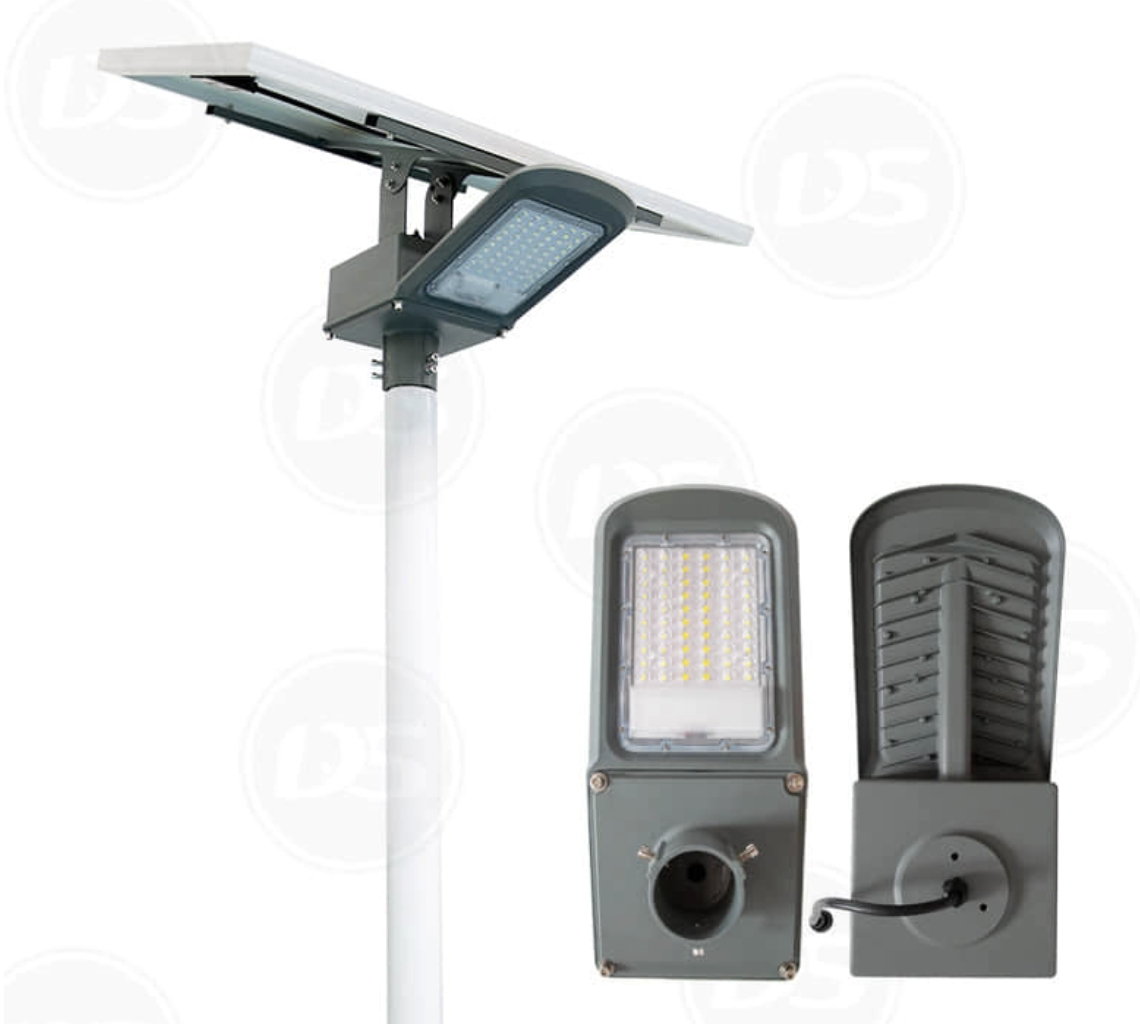
Picking the right solar street light depends on several key factors. First, consider the location where the light will be installed. Areas with plenty of sunlight can use smaller solar panels and batteries. In contrast, places with less sun or frequent bad weather need larger panels and more battery capacity to ensure consistent lighting.
Next, think about the purpose of the lighting. Is it for a busy street, a park pathway, or a rural road? Brightness needs vary by location. High-traffic areas require stronger illumination, while residential streets or parks might need softer, ambient light.
Durability is also crucial. Choose lights built to withstand local weather conditions—rain, snow, heat, or dust. Look for IP65 or higher ratings for water and dust resistance. Materials like corrosion-resistant aluminum enhance longevity.
Finally, check for smart features like motion sensors or remote controls. These can save energy by dimming lights when no one is around and provide easier management.
When reviewing products, focus on these specifications:
● Solar Panel Efficiency: Higher efficiency panels convert more sunlight into electricity. Monocrystalline panels typically offer 20%+ efficiency, ideal for limited space or cloudy regions.
● Battery Capacity: Determines how long the light stays on without sun. Larger batteries provide longer autonomy, important for locations with frequent overcast days.
● LED Brightness and Quality: Measured in lumens, brightness must match the area's lighting needs. Look for LEDs with high color rendering index (CRI) for natural light appearance.
● Autonomy: The number of nights the light can operate without sunlight. Good models offer 3-5 days of autonomy.
● Durability Ratings: IP ratings show protection against dust and water. IP65 or higher is best for outdoor use.
● Warranty and Lifespan: Longer warranties indicate better product confidence. Batteries usually last 5-10 years; LEDs can last over 50,000 hours.
Installation affects costs and feasibility. Solar street lights often come as all-in-one units, simplifying setup. They require no trenching or wiring, saving time and money.
Key installation considerations:
● Mounting Height: Usually between 12 to 20 feet, depending on area size and desired coverage.
● Orientation: Solar panels should face the sun, typically south in the northern hemisphere, to maximize exposure.
● Clearance: Avoid shade from trees, buildings, or poles to ensure panels receive full sunlight.
● Foundation: Poles need stable foundations, often concrete, to withstand wind and weather.
● Maintenance Access: Plan for easy access to clean panels and replace batteries when needed.
Proper installation ensures optimal performance and longevity.
Tip: Match solar street light specifications to your area's sunlight, brightness needs, and weather conditions for reliable, cost-effective lighting.
Solar street lights have evolved rapidly thanks to new technologies. Modern solar panels use monocrystalline silicon, boosting efficiency beyond 20%. This means they capture more sunlight in less space, perfect for urban or shaded areas. Battery tech has also improved, with lithium iron phosphate (LiFePO4) batteries lasting longer and handling extreme temperatures better than older lead-acid types. These batteries store enough energy to power lights for several cloudy days.
Smart controllers and AI-driven systems now manage energy use intelligently. They adjust brightness based on movement or ambient light, saving power and extending battery life. Some models include remote monitoring, allowing operators to track performance and schedule maintenance before issues arise. Weather-resistant materials and designs protect components from rain, dust, and corrosion, ensuring durability in harsh climates.
Additionally, integrated solar street lights combine panels, batteries, LEDs, and controllers into a single unit. This modular design simplifies installation and maintenance, reducing costs and downtime. Innovations like wireless communication enable smart city integration, allowing lights to sync with traffic systems or emergency alerts.
The global solar street lighting market is booming. Analysts predict a compound annual growth rate (CAGR) of over 10% through the next decade. This growth is driven by increasing urbanization, government incentives for renewable energy, and rising awareness of environmental issues.
Many developing countries prioritize solar street lights for rural electrification and public safety. Urban planners in developed nations adopt solar solutions to cut carbon footprints and reduce energy costs. Private sectors also invest in solar lighting for commercial properties, parking lots, and campuses.
Advancements lowering costs and improving performance make solar street lights more accessible. As battery prices drop and panel efficiency rises, payback periods shorten, encouraging wider adoption. Smart features appeal to municipalities aiming for energy-efficient, low-maintenance infrastructure.
Solar street lighting aligns perfectly with global sustainability targets. It supports the transition to clean energy, reducing dependence on fossil fuels and cutting greenhouse gas emissions. Solar lights operate off-grid, minimizing infrastructure disturbance and reducing resource use during installation.
Materials used in modern solar street lights focus on recyclability and longevity. Aluminum poles, monocrystalline panels, and safer battery chemistries help lower environmental impact. Smart controls optimize energy use, preventing wasteful lighting and reducing light pollution.
By choosing solar street lights, communities contribute to climate action plans and enhance resilience against power outages. These systems provide reliable illumination even during grid failures, improving safety and security.
Tip: Invest in solar street lights featuring high-efficiency panels, durable batteries, and smart controls to future-proof your lighting infrastructure and meet sustainability goals efficiently.
Solar street lights offer cost savings, environmental benefits, and reliability. Despite higher initial costs, they reduce long-term expenses and carbon emissions. Investing in solar technology supports sustainable goals and energy independence. Choosing solar street lights is a smart move for communities seeking efficient lighting solutions. Dison Group provides advanced solar street lights with high-efficiency panels and smart controls, ensuring durability and optimal performance. Their products offer significant value by enhancing safety and reducing costs.
A: An All in One Solar Street Light integrates solar panels, LED lights, batteries, and controllers into a single unit, simplifying installation and maintenance.
A: It captures sunlight via solar panels, stores energy in batteries, and powers LED lights at night, operating independently of the electrical grid.
A: They offer cost savings, environmental benefits, and reliability in areas with unstable power, reducing carbon emissions and maintenance expenses.
A: Yes, despite higher upfront costs, they eliminate electricity bills and reduce maintenance costs, saving communities 50-70% over time.
A: They provide eco-friendly lighting relying on solar energy, while traditional lights depend on grid electricity, contributing to higher carbon emissions.


