Views: 0 Author: Site Editor Publish Time: 2026-07-07 Origin: Site
Are solar street lights worth the investment? With growing urbanization, many cities are exploring sustainable lighting options. However, the initial costs can be a concern. In this article, we’ll discuss what solar street lights are, their importance in modern urban planning, and whether they are truly expensive.
Table of Contents
When considering solar street lights, the initial investment can seem daunting. Prices for these systems typically range from $100 for basic models to over $2,000 for high-end, feature-rich options. This wide price range reflects various factors, including the technology used, the wattage of the LED lights, and the capacity of the solar panels and batteries.
For instance, basic solar street lights suitable for residential use often cost between $200 and $400. These models usually provide around 1,000 to 2,000 lumens of brightness, making them ideal for low-traffic areas like gardens or small pathways. In contrast, mid-range options, designed for public spaces, can range from $500 to $1,000, offering 3,000 to 5,000 lumens and improved durability. High-end models, particularly those used in commercial or industrial settings, can exceed $1,500, providing upwards of 8,000 lumens and advanced features like motion sensors.
Solar street lights generally have a higher upfront cost compared to traditional street lights powered by the grid. For example, a solar street light may cost around $300, while a conventional street light of similar wattage might only be about $60. However, this initial cost must be weighed against ongoing expenses.
Traditional street lights incur electricity costs, which can add up significantly over time. Additionally, they require extensive installation work, including trenching for power lines, which further increases costs. In contrast, solar street lights offer a one-time investment with no recurring electricity bills, making them more cost-effective in the long run.
Several factors can influence the price of solar street lights:
Wattage of LED Lights: Higher wattage lights provide greater brightness but come at a higher cost. For example, a 20-watt solar street light might be priced at $150, while a 50-watt unit could exceed $400.
Solar Panel Size and Efficiency: Larger and more efficient solar panels capture more sunlight, increasing costs. Basic models might use smaller panels (20-30W), while high-performance lights require larger panels (50-100W).
Battery Capacity: Batteries store the solar energy for nighttime use. Higher-capacity batteries allow for longer operation times but can add $100 to $300 or more to the overall cost.
Smart Features: Many modern solar street lights come equipped with motion sensors or smart control options, which enhance efficiency and user convenience. These features typically increase the price.
Material Quality: The durability of the materials used affects cost. High-quality aluminum or corrosion-resistant coatings ensure longevity but can raise the price.
Poles and Mounting Hardware: The height and material of the mounting pole also impact costs. For instance, a galvanized steel pole may be more expensive than a basic iron pole.
By understanding these factors, buyers can make informed decisions that align with their budget and project requirements.
Tip: When evaluating solar street lights, consider both initial costs and long-term savings to determine the best investment for your needs.
When it comes to solar street lights, there are several types available, each designed to meet different needs and preferences. Understanding these types can help you make an informed decision when choosing the right lighting solution for your project.
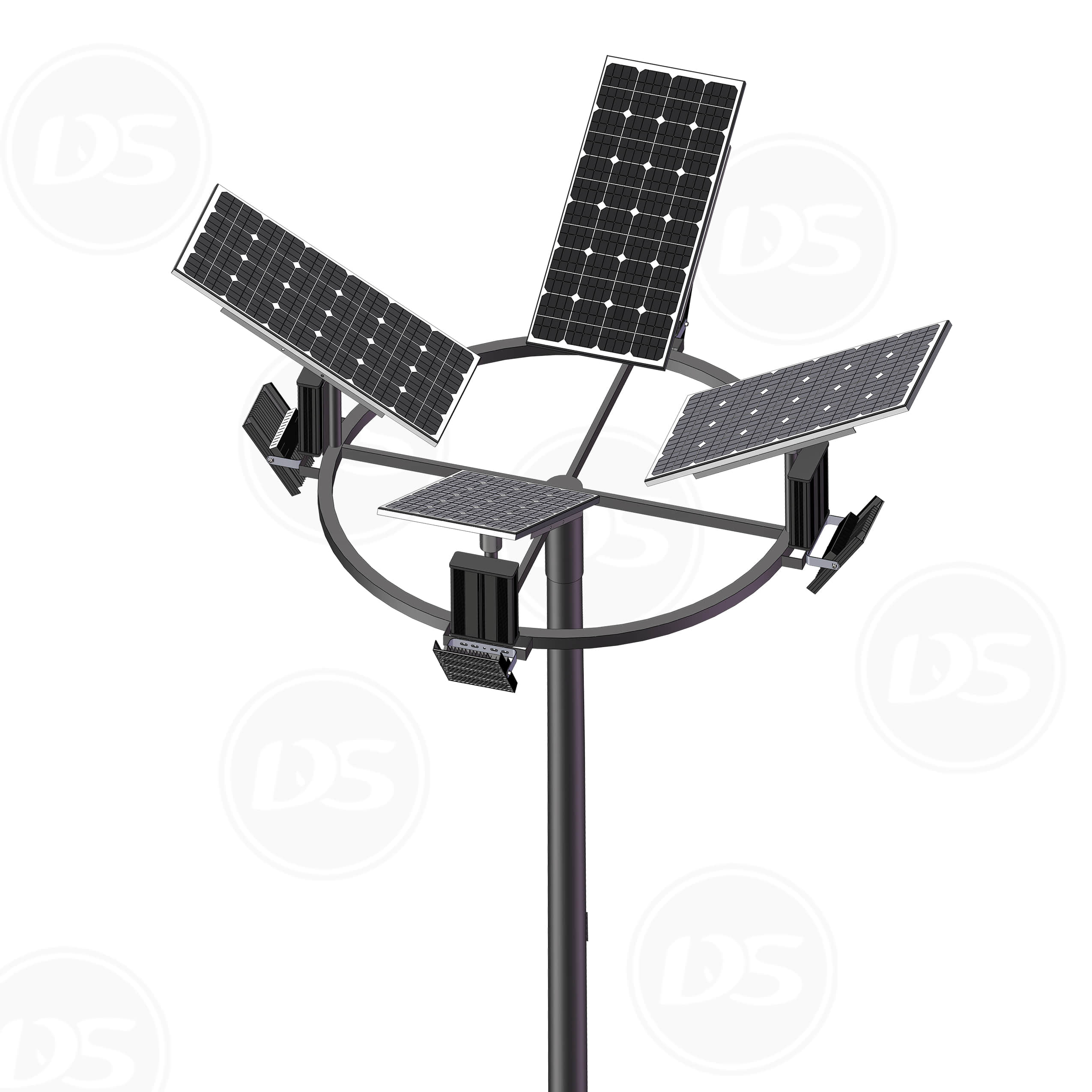
All-in-one solar street lights are compact units that integrate all necessary components—solar panel, battery, LED light, and controller—into a single fixture. This design simplifies installation, as there’s no need for separate wiring or mounting of individual components. Typically, these lights are more affordable upfront, ranging from $100 to $500 depending on the model and specifications.
Advantages of all-in-one solar street lights include:
Ease of Installation: They can be set up quickly without extensive electrical work.
Cost-Effective: Lower initial costs compared to split models.
Compact Design: Aesthetic appeal, making them suitable for residential areas and parks.
However, they may have limitations in terms of customization and performance in areas with less sunlight. For example, in high-latitude regions, their solar panels may not receive optimal sunlight, which could affect their efficiency.
Split solar street lights consist of separate components: the solar panel, battery, and LED light. This design allows for greater flexibility in installation and configuration. The solar panel can be mounted on a pole or in a location that receives the most sunlight, while the light fixture can be positioned optimally for illumination.
Pricing for split solar street lights typically ranges from $300 to $1,000, depending on the wattage and quality of components used. Key benefits include:
Customizability: You can select the best components for your specific needs.
Higher Performance: Often more efficient in varying weather conditions, as the solar panel can be positioned for maximum sun exposure.
Longer Lifespan: With proper maintenance, these systems can last longer than all-in-one models.
However, they require more installation time and effort, as each component needs to be correctly positioned and connected.
Commercial solar street lights are designed for larger installations, such as in urban areas, parks, or industrial sites. These lights often utilize an integrated design similar to all-in-one models but are built with higher capacity components to handle the demands of larger spaces.
Prices for commercial solar street lights can vary widely, often starting around $500 and exceeding $2,000 for high-performance models. Benefits include:
High Brightness: These lights can produce significantly more lumens, ensuring adequate illumination for busy areas.
Durability: Built to withstand harsh weather conditions and heavy use.
Advanced Features: Many come equipped with smart technology, such as motion sensors and remote monitoring capabilities.
However, the higher price point and installation complexity can be a drawback for smaller projects.
In summary, the choice between all-in-one, split, and commercial solar street lights depends on your specific needs, budget, and installation environment. Each type offers unique advantages and considerations, making it essential to weigh these factors carefully.
Tip: When selecting solar street lights, consider the specific lighting needs of your area and the environmental conditions to ensure optimal performance and longevity.
Solar panels are the heart of solar street lights, converting sunlight into electricity. The cost of solar panels varies based on size, efficiency, and type. Generally, prices range from $50 to over $200 per panel. For example, a small 20W panel might cost around $50, while a high-efficiency 100W panel could be priced at $150 or more. The choice of panel affects the overall performance of the street light, especially in areas with limited sunlight.
Batteries store the energy generated by solar panels, ensuring that lights operate during the night. The most common types used in solar street lights are lithium-ion and LiFePO4 batteries. Costs typically range from $30 to $300, depending on capacity. Smaller batteries (around 10Ah) are less expensive, while larger, high-capacity batteries (20Ah or more) can significantly increase costs. On average, these batteries last between 5 to 10 years, depending on usage and environmental conditions. Regular maintenance can extend their lifespan, ensuring consistent performance.
LED fixtures are crucial for providing illumination. The brightness of these fixtures is measured in lumens. Basic models may offer around 1,000 to 2,000 lumens, suitable for low-traffic areas, while high-performance models can reach 10,000 lumens or more for busy streets. Prices for LED fixtures typically range from $40 to $150, influenced by brightness and additional features such as motion sensors or adjustable brightness levels. High-quality LEDs not only provide better lighting but also have longer lifespans, often exceeding 50,000 hours.
Charge controllers manage the flow of electricity from the solar panel to the battery, preventing overcharging and ensuring efficient energy use. They are essential for maintaining the longevity of the battery and optimizing the performance of the solar street light. The cost of charge controllers varies, usually between $10 and $50, depending on their complexity. Advanced controllers, such as those with Maximum Power Point Tracking (MPPT) technology, can enhance energy efficiency, making them a worthwhile investment for higher-end systems.
Tip: When selecting components for solar street lights, prioritize high-quality solar panels and batteries to ensure optimal performance and longevity, ultimately reducing long-term costs.
Installing solar street lights involves several steps, and the costs can vary based on the type and complexity of the installation. Generally, the process includes site assessment, selecting appropriate models, and physical installation.
Site Assessment: Before installation, it’s essential to evaluate the location. Factors like sunlight exposure, terrain, and existing infrastructure play a role in determining where to install the lights. This assessment helps to maximize the efficiency of the solar panels.
Selecting Models: Choose between all-in-one or split solar street lights based on your needs. All-in-one models are easier to install since they come pre-assembled, while split models offer flexibility in positioning solar panels for optimal sunlight.
Physical Installation: The installation typically requires basic tools and equipment. For all-in-one models, it usually takes less time, often just a few hours. Split models may take longer due to the separate installation of components.
Cost of Installation: Installation costs can range from $100 to $500 per light. For example, simpler installations in residential areas may cost around $100, while more complex setups in commercial or urban settings can reach $500 or more due to the need for specialized equipment and labor.
While solar street lights are designed for durability and low maintenance, they still require periodic upkeep to ensure optimal performance.
Cleaning Solar Panels: Dust and debris can accumulate on solar panels, reducing their efficiency. Cleaning them every 6 to 12 months is recommended. Professional cleaning services typically charge between $20 and $50 per light for this service.
Battery Maintenance: The batteries used in solar street lights usually last between 5 to 10 years, depending on the type and usage. Replacement costs can vary; smaller batteries might cost around $50, while larger, high-capacity batteries can exceed $200.
LED Fixture Replacement: Although LED fixtures have a long lifespan, they may need replacement after 10 to 15 years. The cost for this can range from $100 to $300, depending on the brightness and features of the fixture.
Regular Inspections: It’s wise to inspect the entire system periodically to check for any damage or malfunctions. This can help prevent larger issues down the line.
When budgeting for solar street lights, consider not just the purchase price but also additional hidden costs that may arise.
Permits and Regulations: Local regulations may require permits for installation, especially in public spaces. Permit fees can range from $50 to $200 per light, depending on local laws.
Shipping Costs: If you’re ordering in bulk, shipping can add significant costs. Depending on distance and weight, shipping fees can range from $10 to $100 per unit.
Long-Term Maintenance Contracts: Some entities opt for maintenance contracts to ensure the longevity of their solar street light systems. These can cost anywhere from $50,000 to $100,000 annually for larger installations.
Understanding these factors can help you make an informed decision about installing solar street lights, ensuring you are prepared for both initial and ongoing costs.
Tip: Regular maintenance can significantly extend the lifespan of solar street lights, so schedule cleaning and inspections to keep them operating efficiently.
Solar street lights harness renewable energy from the sun, making them a sustainable choice for outdoor lighting. By utilizing solar power, these lights help reduce reliance on fossil fuels, which are finite and contribute to environmental degradation. The shift towards renewable energy sources like solar not only mitigates greenhouse gas emissions but also supports global efforts to combat climate change.
The benefits of using solar energy extend beyond just reducing emissions. Solar street lights can operate independently of the electrical grid, which is particularly advantageous in remote areas where extending power lines can be costly and impractical. This independence also means that solar street lights do not contribute to energy consumption from non-renewable sources, further enhancing their eco-friendly profile.
The carbon footprint associated with traditional street lighting is significant. Conventional street lights consume electricity generated from fossil fuels, leading to increased carbon emissions. In contrast, solar street lights generate their own power, significantly lowering carbon footprints in urban and rural settings alike.
For instance, a typical solar street light can prevent approximately 1.5 tons of carbon dioxide emissions annually, depending on usage and location. This reduction contributes to cleaner air and a healthier environment, making solar street lights an appealing option for municipalities aiming to meet sustainability goals.
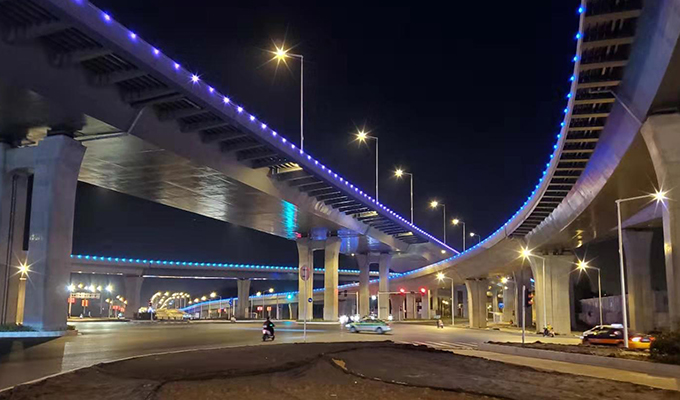
Solar street lights play a crucial role in promoting urban sustainability. They not only reduce energy costs but also enhance public safety by providing reliable lighting in public spaces. Well-lit areas deter crime and improve community engagement, making neighborhoods more inviting and safer for residents.
Moreover, the installation of solar street lights can be part of broader urban planning strategies aimed at creating smart cities. These lights can be integrated with smart technology, enabling features like adaptive lighting based on pedestrian traffic or environmental conditions. This adaptability leads to energy savings and optimized lighting performance, furthering urban sustainability efforts.
In addition, the aesthetic appeal of solar street lights can enhance urban landscapes. Many designs incorporate modern aesthetics that blend seamlessly into city environments, adding to the overall visual appeal while providing essential lighting.
Tip: When considering solar street lights for urban projects, evaluate their potential to contribute to sustainability goals, enhance safety, and improve community aesthetics.
Investing in solar street lights can lead to substantial long-term savings. Unlike traditional street lights, which rely on electricity from the grid, solar street lights harness energy from the sun. This means once they're installed, you won't incur monthly electricity bills. Over the lifespan of the lights, which can exceed 10-15 years, the savings on energy costs can be significant.
For instance, if a traditional street light costs around $60 annually in electricity, a solar street light can save you that amount every year. Multiply that by the number of lights and years, and the savings can add up to thousands of dollars. Additionally, solar street lights generally require less maintenance. With fewer moving parts and no need for wiring to the grid, the maintenance costs are significantly lower.
When assessing whether solar street lights are worth the investment, it's essential to calculate the return on investment (ROI). Start by considering the initial costs, which can be higher than traditional lights. For example, a solar street light might cost around $300, while a conventional one might only be $60. However, remember to factor in long-term savings.
To evaluate ROI, consider these steps:
Initial Investment: Total cost of purchasing and installing solar street lights.
Annual Savings: Estimate the savings on electricity and maintenance each year.
Payback Period: Divide the initial investment by annual savings to determine how long it will take to recoup costs.
For example, if you invest $300 in a solar street light and save $60 annually, your payback period would be five years. After that, every dollar saved contributes directly to your bottom line.
Many governments and local authorities offer incentives and rebates for installing solar lighting. These programs can significantly reduce the upfront costs, making solar street lights even more appealing. For instance, some municipalities provide rebates that cover 20-30% of the installation costs.
Before proceeding with your project, check with local energy authorities or government websites to see what financial assistance is available. These incentives can help offset the higher initial investment and improve your overall ROI.
In summary, solar street lights represent a worthwhile investment for many public and private projects. While they may have a higher upfront cost compared to traditional street lights, the long-term savings on energy and maintenance, combined with potential government incentives, make them an attractive option. By evaluating the ROI and considering the environmental benefits, you can make an informed decision that benefits both your budget and the planet.
Tip: When calculating ROI, always include potential government incentives to get a clearer picture of your investment's value.
Solar street lights may have a higher upfront cost compared to traditional options, ranging from $100 to over $2,000. However, they offer significant long-term savings on energy and maintenance. Factors like wattage, battery capacity, and smart features influence their pricing. As urban areas seek sustainable solutions, solar street lights are becoming essential. DISON provides high-quality solar street lights that combine efficiency with durability, offering excellent value for both public and private projects.
A: A solar street light is an outdoor lighting system that uses solar panels to harness sunlight, converting it into electricity to power LED lights for illumination.
A: Solar street lights can have a higher upfront cost due to the technology used, including solar panels, batteries, and LED fixtures, but they save on electricity bills over time.
A: While solar street lights typically cost more upfront, they eliminate ongoing electricity costs and installation complexities associated with traditional street lights.
A: Solar street lights are environmentally friendly, reduce electricity costs, require minimal maintenance, and can enhance public safety in outdoor spaces.