
Views: 0 Author: Site Editor Publish Time: 2026-02-24 Origin: Site
LED solar lights are becoming a popular choice for outdoor lighting due to their eco-friendly and energy-efficient features. But are they really as reliable as they seem? One of the most important features to consider is waterproofing, especially for outdoor use.
In this article, we’ll dive into the common problems people face with LED solar lights, especially waterproof models, and provide practical solutions. You’ll also learn valuable tips to extend the lifespan of your LED solar lights outdoor waterproof.
Expect insights from trusted brands like Dison Lighting, known for their durable solar lighting solutions.
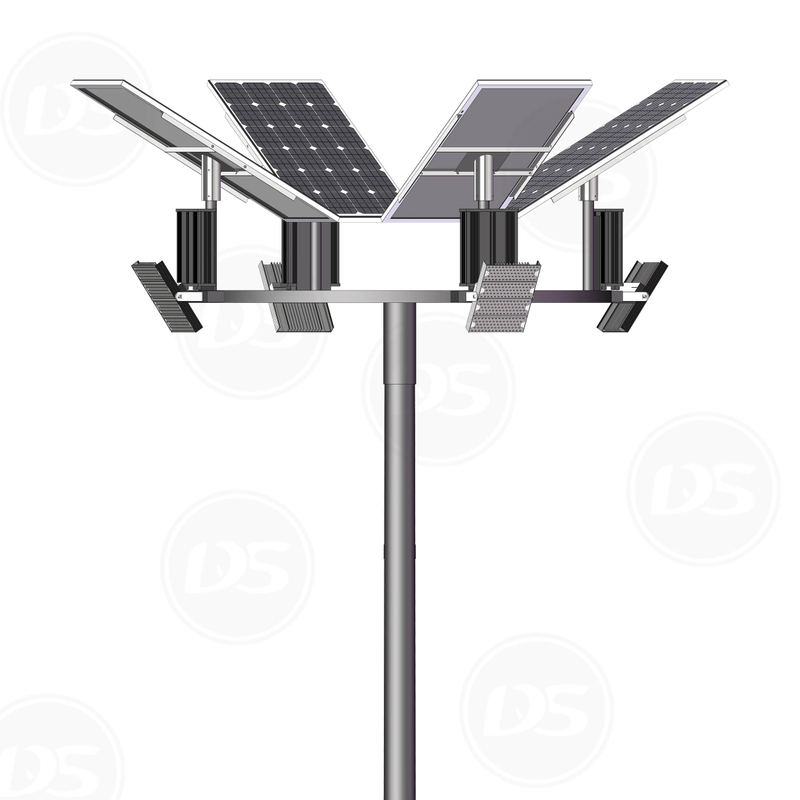
LED solar lights are an efficient and eco-friendly lighting solution designed specifically for outdoor environments. They harness solar energy to power LED bulbs, making them a sustainable alternative to traditional electrical lighting. These lights typically consist of three main components: a solar panel, a battery, and an LED bulb.
● Solar Panel: The solar panel collects sunlight during the day and converts it into energy to charge the battery.
● Battery: The stored energy in the battery powers the LED bulb when sunlight is not available, ensuring the light works at night.
● LED Bulb: LED bulbs are energy-efficient, producing bright light with minimal power consumption.
The waterproof feature is a key characteristic of these lights. It ensures that the lights function effectively even in harsh weather conditions, such as rain or snow. The robust design protects the internal components, keeping the light operational all year round, regardless of the climate.
Energy Efficiency:
LED solar lights are powered by the sun, which makes them a low-cost and eco-friendly lighting solution. They don’t require electricity, significantly reducing energy bills. In fact, compared to traditional outdoor lighting, they can cut energy consumption by up to 70%. Over time, this makes them an incredibly cost-effective option.Durability:
What sets LED solar lights outdoor waterproof apart is their ability to withstand the elements. The waterproofing feature allows them to perform consistently in any weather, from sunny days to heavy rainstorms. With sturdy materials and protective coatings, they can endure high temperatures, snow, and humidity, making them ideal for long-term outdoor use.
● Waterproof Design: These lights are typically rated with IP65 or higher, which means they are fully protected from dust and can resist water jets, ensuring no internal damage even during heavy rainfall.
Low Maintenance:
Another significant advantage is their minimal maintenance requirements. These lights are designed to be durable and easy to maintain, with features such as tool-free installation and replaceable batteries. Once set up, they require little more than occasional cleaning to ensure the solar panel functions properly.
● No Wiring: Without the need for complicated wiring or electrical connections, installation is a breeze.
● Battery Replacement: When the battery life is up, replacing it is quick and simple, ensuring the light continues to operate effectively.
When it comes to reliable LED solar lights outdoor waterproof, Dison Lighting stands out. Known for their high-quality, durable products, they offer a wide range of solar-powered solutions that cater to both residential and commercial needs. With IP65 waterproof ratings and energy-efficient designs, Dison Lighting ensures that you get both functionality and peace of mind.
Incorporating Dison Lighting’s advanced solar technology into your outdoor setup means opting for products that promise both longevity and performance. Whether it’s illuminating your garden or securing your driveway, Dison Lighting has you covered with their easy-to-install, low-maintenance, and energy-saving solutions.
LED solar lights are a fantastic solution for outdoor illumination, offering energy efficiency and sustainability. However, like any technology, they can face common problems. In this section, we'll discuss why LED solar lights outdoor waterproof may stop working and how to resolve these issues.
Several key issues can cause LED solar lights outdoor waterproof to malfunction:
● Malfunctioning Solar Panels: Dust, dirt, or shading from nearby trees or buildings can prevent the solar panel from charging effectively.
● Faulty Batteries: Over time, rechargeable batteries lose their capacity to hold a charge, leading to dim or short-lasting lights.
● Broken Connections: Loose wires or faulty components can disrupt the flow of electricity to the lights.
Even with high-quality products like Dison Lighting’s solar lights, these issues can arise, especially due to environmental factors such as heavy rainfall, extreme temperatures, or lack of maintenance.
● Dirty or shaded solar panel: Dirt, leaves, or obstructions prevent the solar panel from absorbing sunlight properly.
● Battery issues: A dead or improperly connected battery will prevent the light from activating.
● Power switch not activated: Sometimes, users forget to turn on the power switch after installation.
● Clean the solar panel with a damp cloth to remove dust and debris that block sunlight.
● Check and secure connections to make sure the battery is properly connected and the power switch is turned on.
● Replace the battery if it’s low on charge, using one compatible with Dison Lighting’s specifications.
● Insufficient sunlight exposure: The solar panel may not be getting enough sunlight.
● Degraded battery: Over time, rechargeable batteries lose their ability to hold a charge, resulting in shorter runtime.
● High brightness mode: If set to high brightness, the light may drain the battery faster than it charges.
● Adjust the solar panel angle to ensure it receives maximum sunlight, especially in the early morning and late afternoon.
● Switch to a lower brightness setting to prolong battery life and runtime.
● Replace old batteries with genuine Dison Lighting replacement parts for reliable performance.
● Loose connections: If wiring isn’t securely connected, it can cause unstable power flow, leading to flickering.
● Battery voltage instability: A low or unstable battery charge can cause the light to flicker or flash intermittently.
● Moisture ingress: While Dison Lighting lights are waterproof, seals can degrade over time, letting water damage the internal components.
● Tighten internal wiring and ensure all components are securely connected.
● Fully charge the light to stabilize the battery and resolve any flickering due to low power.
● Check for damaged seals and replace them to ensure proper waterproofing using Dison Lighting's UV-resistant casings.
● Cracked seals: Over time, the waterproof seals can degrade, allowing water to seep into the housing and damage the internal components.
● Moisture in the battery compartment: Water can cause corrosion inside the light, which prevents it from functioning properly.
● Inspect the housing for cracks or other damage and reseal with waterproof silicone to prevent water ingress.
● Replace damaged seals or gaskets with Dison Lighting’s original parts for a proper seal.
● Store lights in elevated locations to avoid flooding in low-lying areas, especially during heavy rain.
● Dirty sensor: Dirt or debris on the sensor can obstruct its ability to detect motion accurately.
● Exposure to artificial light: If the sensor is exposed to nearby street lights or porch lights, it may malfunction and fail to detect motion properly.
● Clean the sensor with a soft cloth to remove any dust or debris blocking its function.
● Relocate the light away from nearby artificial light sources to ensure the sensor operates as intended.
To help you quickly address common issues, here’s a summary of the problems and solutions for LED solar lights outdoor waterproof:
Problem | Potential Cause | Solution |
Solar Light Not Turning On | Dirty/shaded solar panel, dead battery, power switch off | Clean solar panel, check connections, replace battery |
Short Runtime or Dim Light | Insufficient sunlight, degraded battery, high brightness | Adjust solar panel angle, switch to lower brightness, replace battery |
Flickering or Flashing Lights | Loose connections, unstable battery, moisture ingress | Tighten wiring, fully charge light, check seals |
Water Damage (Not Working After Rain) | Cracked seals, moisture in battery compartment | Reseal with silicone, replace damaged seals, store in elevated location |
Motion Sensor Not Working | Dirty sensor, exposure to artificial light | Clean sensor, relocate light to avoid artificial light interference |
By regularly maintaining your LED solar lights outdoor waterproof, you can easily address these issues and ensure long-lasting, reliable performance.

Maintaining your LED solar lights outdoor waterproof is essential to ensure long-lasting performance. Regular upkeep will not only keep them working efficiently but also extend their lifespan. Here are some straightforward maintenance practices that can help.
Solar Panel Cleaning
One of the most important maintenance tasks is keeping the solar panel clean. Dust, dirt, and leaves can accumulate, reducing the amount of sunlight absorbed. This impacts the efficiency of the solar panel and, consequently, the performance of the light.
● Clean the panel regularly, especially after heavy rains or windy conditions.
● Use a soft cloth or sponge and mild detergent to remove dirt without scratching the surface.
● Always ensure the panel is free of debris, as even a small blockage can lower charging efficiency.
Sensor Cleaning
The light sensor, which controls the activation of your solar light, can become obstructed over time. If the sensor is dirty, it may fail to activate the light or cause it to turn on at the wrong times.
● Clean the sensor gently with a dry cloth or compressed air to remove dust and debris.
● Make sure no spider webs or leaves are blocking the sensor’s line of sight.
Check Casing for Damage
The waterproof casing plays a critical role in protecting your LED solar lights outdoor waterproof from water ingress. Over time, cracks or gaps in the housing may develop, allowing water to enter and damage internal components.
● Regularly inspect the casing for any signs of wear, cracks, or holes.
● If you notice any damage, reseal the affected areas with waterproof silicone or replace damaged parts.
● Make sure the battery compartment is properly sealed to prevent corrosion.
Battery Care
The performance of your LED solar lights outdoor waterproof depends largely on the battery. Over time, rechargeable batteries lose their ability to hold a charge. For optimal performance, it’s important to replace the batteries every 1-3 years, depending on the battery type.
● NiMH batteries: Typically last 1-2 years before needing replacement.
● Li-ion batteries: Have a longer lifespan, around 3 years, but still need periodic replacement.
● Always use Dison Lighting's recommended battery replacements to maintain compatibility and performance.
Charge Storage
If you plan to store your solar lights for a long period, especially during the winter, make sure the batteries are properly stored.
● Remove the batteries if you're not using the lights for an extended time.
● Fully charge the battery before storing it, to prevent over-discharge that could damage it.
● Store the batteries in a cool, dry place to maintain their condition until they’re needed again.
Position for Maximum Sunlight
For LED solar lights outdoor waterproof to perform at their best, the solar panel must be positioned in a spot where it can get 6-8 hours of direct sunlight daily. If the panel isn’t in the right spot, the battery will not charge fully, and the light won’t work effectively.
● Avoid areas shaded by trees or buildings, which can block sunlight.
● If possible, install the panel at an angle to maximize exposure to the sun.
Adjust for Seasons
The angle of the sun changes throughout the year, which can impact how much sunlight the panel receives. In the winter, the sun’s path is lower in the sky, so it’s important to adjust the angle of the solar panel to maximize charging.
● Reposition the panel to face the sun directly in the winter months, where it gets the most light.
● Seasonal adjustments can improve solar efficiency, particularly in areas with long winters or heavy cloud cover.
Maintenance Task | Frequency | Solution |
Solar Panel Cleaning | Monthly | Clean with a soft cloth and mild detergent. |
Sensor Cleaning | Every 3 months | Use compressed air or a dry cloth to clean. |
Casing Inspection | Every 6 months | Check for cracks and reseal as necessary. |
Battery Replacement | Every 1-3 years | Replace with Dison Lighting’s recommended batteries. |
Charge Storage | When not in use | Remove and fully charge the battery before storage. |
Solar Panel Adjustment | Seasonally | Reposition to ensure maximum sunlight exposure. |
By following these preventive maintenance steps, you can keep your LED solar lights outdoor waterproof working efficiently, providing reliable illumination throughout the year, regardless of the weather conditions.
To keep your LED solar lights outdoor waterproof performing well, regular cleaning and battery maintenance are essential. Proper placement ensures maximum sunlight exposure, improving efficiency.
By following these maintenance tips, you can extend the lifespan of your lights. Dison Lighting provides reliable and durable solutions, ensuring your outdoor lighting needs are met year-round.
A: Ensure the solar panel receives 6-8 hours of direct sunlight. If the light is not turning on or has a short runtime, clean the panel and check connections.
A: LED solar lights typically last 2-5 years, depending on the quality of the components, like the battery and solar panel.
A: Yes, but ensure the solar panel is positioned for maximum sunlight and check the battery regularly as cold weather can reduce battery efficiency.
A: Clean the sensor, ensure it’s free from obstructions, and relocate the light to avoid interference from artificial lights.


