Views: 0 Author: Site Editor Publish Time: 2026-07-06 Origin: Site
Are you tired of rising electricity costs for street lighting? Solar street lights offer a sustainable and cost-effective solution. In this article, we’ll explore what solar street lights are, their benefits, and why they are a better choice than traditional lighting options. Join us as we illuminate the future of street lighting!
Solar panels are the heart of solar street lights. They capture sunlight and convert it into electricity. There are two main types: monocrystalline and polycrystalline. Monocrystalline panels are generally more efficient, converting about 22-24% of sunlight into energy. They perform better in low-light conditions and have a longer lifespan than polycrystalline panels, which typically convert 16-18% of sunlight.
When choosing solar panels, efficiency matters. Higher efficiency means smaller panels can produce the same amount of energy, which is essential for limited space. Look for panels with a good warranty, ideally over 10 years, to ensure long-term performance.
Batteries store the energy generated by solar panels. The latest technology in battery storage is LiFePO4 (Lithium Iron Phosphate). These batteries are preferred due to their longer lifespan, often rated for 5-7 years, compared to 3-5 years for traditional lead-acid batteries. LiFePO4 batteries also perform better in extreme temperatures and maintain consistent voltage throughout their discharge cycle.
This technology is crucial for solar street lights, as it provides reliable energy storage, ensuring the lights function even during cloudy days or at night. When selecting batteries, consider their capacity and cycle life to ensure they meet your energy needs.
LED fixtures are the light source in solar street lights. They are energy-efficient and have a long lifespan, typically lasting 10-15 years. The brightness of LED fixtures is measured in lumens. Depending on the application, street lights can range from 2,000 to over 30,000 lumens.
Choosing the right LED fixture involves assessing the required brightness for your specific application. For example, residential areas may need around 3,000-5,000 lumens, while highways may require 10,000 lumens or more. Ensure the fixtures have a good color rendering index (CRI) for better visibility and safety.
Charge controllers are essential for managing the flow of electricity between the solar panels, batteries, and LED fixtures. They prevent overcharging and deep discharging of the batteries, which can shorten their lifespan. A good charge controller optimizes the energy flow, ensuring that batteries are charged efficiently and safely.
Modern solar street lights often come with intelligent charge controllers that can adjust the charging process based on weather conditions and battery status. This feature is beneficial for maximizing the performance and longevity of the entire solar lighting system.
Tip: Always choose solar street lights with high-efficiency solar panels and LiFePO4 batteries for optimal performance and durability.
Solar street lights come in various designs and configurations, each tailored to specific needs and applications. Understanding the different types can help you choose the best option for your project.
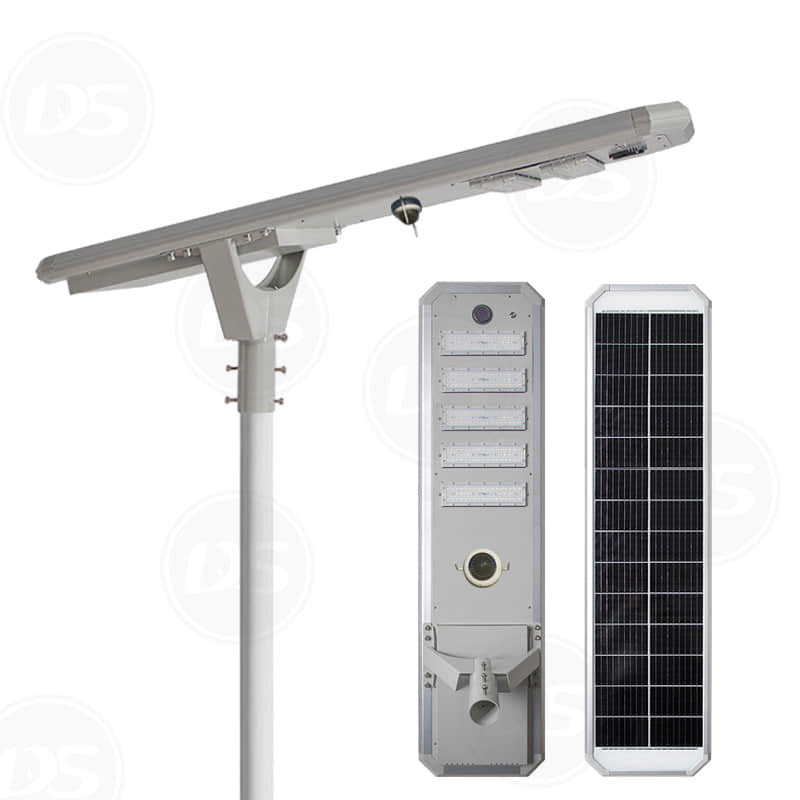
Integrated solar lights combine all essential components—solar panel, battery, LED fixture, and controller—into a single unit. This design simplifies installation, making it ideal for small areas like pathways and residential settings. They are budget-friendly, typically costing between $100 and $400. However, their brightness ranges from 800 to 2000 lumens, which may not be sufficient for larger or more demanding applications.
Split-system solar lights separate the solar panel from the light fixture. This allows for larger solar panels and battery capacities, resulting in higher brightness levels, typically between 2000 and over 10,000 lumens. They are perfect for street and parking lot lighting, providing flexibility in panel positioning and longer operational hours. Prices for split systems range from $500 to $2000 or more, depending on the features and specifications.
Pole-top systems are a hybrid between integrated and split designs. They mount the entire assembly on tall poles, maximizing sun exposure while efficiently directing light downward. These systems can produce brightness levels between 3000 and 8000 lumens. They are popular for parking lots and streets where a single pole solution is preferred. Prices for pole-top systems generally range from $800 to $2500.
Solar flood lights are designed for wide-area illumination, ideal for outdoor spaces like sports courts and large parking lots. They typically deliver between 5000 and 15,000 lumens and often include features like adjustable brightness and motion detection. Solar flood lights usually utilize a split-system architecture, allowing for better energy management and efficiency. Prices can vary significantly, ranging from $1500 to over $5000 based on brightness and additional features.
Type | Brightness (Lumens) | Cost Range | Best For |
|---|---|---|---|
Integrated Solar Lights | 800-2000 | $100-$400 | Pathways, small areas |
Split-System Solar Lights | 2000-10,000+ | $500-$2000+ | Streets, parking lots |
Pole-Top Systems | 3000-8000 | $800-$2500 | Parking lots, streets |
Solar Flood Lights | 5000-15,000+ | $1500-$5000+ | Wide areas, sports courts |
Choosing the right type of solar street light depends on your specific requirements, including brightness needs, installation location, and budget constraints. Understanding these options can help you make an informed decision that meets your project's needs.
Tip: Always assess the lighting requirements of your area before selecting a solar street light type to ensure optimal performance and visibility.
Choosing the right solar street light involves several important considerations. Each factor can significantly affect the performance, efficiency, and overall satisfaction with your lighting solution. Here’s a detailed breakdown of what to look for:
The first step is determining the brightness needed for your specific application. Brightness is measured in lumens. For instance, residential areas might need around 3,000-5,000 lumens, while highways could require 10,000 lumens or more. To calculate the total lumens needed for your area, use the formula:
Lumens = Foot-candles × Area (sq ft) × 10.76
For example, if a parking lot requires 12 foot-candles and measures 40x40 feet, it would need approximately 20,000 lumens in total.
The efficiency of solar panels is crucial for the performance of solar street lights. There are two main types of solar panels: monocrystalline and polycrystalline. Monocrystalline panels are generally more efficient, converting 22-24% of sunlight into energy, while polycrystalline panels convert 16-18%. Look for panels with a warranty of at least 10 years, as this indicates reliability. Also, consider panels with features like bypass diodes to improve performance in partial shade.
Batteries are vital for storing energy generated by the solar panels. The preferred choice today is LiFePO4 (Lithium Iron Phosphate) batteries. They offer a longer lifespan—typically 5-7 years—compared to traditional lead-acid batteries, which last only 3-5 years. When selecting a battery, ensure its capacity (measured in Watt-hours) supports at least three consecutive days of operation without sunlight. This is especially important for areas with extended cloudy periods.
Integrating motion sensors and smart controls can enhance the efficiency of solar street lights. Motion sensors can reduce energy consumption by dimming lights when no activity is detected, potentially saving 30-50% on energy use. Smart dusk-to-dawn controls automatically adjust operational hours based on seasonal changes, ensuring lights only operate when needed. Look for systems that allow for remote configuration to easily adjust settings without needing a site visit.
A quality solar street light should come with a solid warranty. Look for at least a 5-10 year warranty on fixtures and controllers, and 5-7 years for batteries. This warranty should cover defects, weather damage, and performance degradation. Additionally, choose manufacturers that offer responsive customer support and readily available replacement parts.
Tip: Always assess your specific lighting requirements, including brightness and battery capacity, to ensure you select the most suitable solar street light for your needs.
Selecting the right site for solar street lights is crucial. Look for areas with unobstructed sunlight exposure for most of the day. Avoid locations with potential shading from trees, buildings, or other structures. A clear path for sunlight ensures the solar panels receive adequate energy to function properly. During the site assessment, consider the surrounding environment, including seasonal changes in sunlight patterns.
Preparation involves clearing debris and ensuring the ground is stable. If installing poles, make sure they can withstand local weather conditions, including wind loads. This step is essential to guarantee long-term stability and performance.
Mounting solar street lights can vary based on the system type. All-in-one units are simpler to install, requiring only a pole or wall bracket. For split systems, you need to mount the solar panel separately, ensuring it is positioned for optimal sunlight exposure.
When mounting, secure poles using anchor bolts in concrete footings. This method provides a solid base. For wall-mounted systems, ensure the bracket is sturdy enough to support the fixture. Adjust the tilt of the solar panel if possible, maximizing sunlight capture.
For split systems, connecting components requires careful attention. Use watertight connectors to link the solar panel, battery, and light fixture. Ensure all cables are tidy and secured to avoid damage.
Safety is paramount. Verify that all electrical connections are secure and meet local codes. Ground all metal fixtures and poles to prevent electrical hazards. Regularly inspect connections for wear or corrosion, especially after severe weather.
Before installation, check local building codes and regulations. Most areas do not require electrical permits for low-voltage solar systems, but structural permits may be necessary for pole installations.
It's also crucial to verify any restrictions from homeowner associations (HOAs) or local governments. Some communities may have guidelines on the appearance or placement of solar panels. Document the installation process, including photos and maintenance logs, for warranty claims and future service.
Tip: Always conduct a thorough site assessment and check local regulations before installation to ensure compliance and optimal performance of solar street lights.
Batteries play a crucial role in the functionality of solar street lights. Most modern solar street lights use LiFePO4 (Lithium Iron Phosphate) batteries, which are known for their longevity, typically lasting between 5 to 7 years. Factors like depth of discharge, charging cycles, and temperature significantly influence battery lifespan. It's vital to limit the discharge to around 80% to extend battery life. Quality LiFePO4 batteries can endure over 3000 cycles, maintaining 80% of their capacity after several years. In contrast, traditional lead-acid batteries usually last only 3 to 5 years and degrade faster in extreme temperatures.
Solar panels are essential for charging batteries and powering LED lights. Regular maintenance of these panels ensures optimal performance. Dust, dirt, leaves, or snow can block sunlight, reducing energy capture. It's recommended to clean the panels every few months, especially in dusty environments. Use a soft brush or cloth with water to avoid scratching the surface. In areas with heavy snowfall, ensure snow is cleared to maintain sunlight exposure.
Regular inspections help identify potential issues early. Check for loose connections, damage, or corrosion on poles and fixtures, especially after severe weather. Inspect wiring for wear or fraying. It’s also beneficial to monitor the light output. If the brightness decreases, it may indicate a problem with the battery or controller. Addressing these concerns promptly prevents larger issues down the line.
To maximize the efficiency of solar street lights, consider the following tips:
Optimize Panel Positioning: Ensure solar panels are installed at an angle that maximizes sun exposure throughout the day.
Use Smart Controls: Implement motion sensors and timers to adjust brightness based on activity, saving energy when full brightness isn't needed.
Regular System Updates: If available, update the firmware for smart controllers to enhance performance and efficiency.
By following these maintenance practices, solar street lights can provide reliable illumination for years, making them a worthwhile investment for any project.
Tip: Regularly clean solar panels and perform inspections to ensure maximum efficiency and longevity of your solar street lights.
In the rapidly evolving solar street lighting industry, selecting the right manufacturer is crucial for ensuring quality, reliability, and performance. As governments and businesses increasingly adopt solar technology, understanding the top players in the market can help you make informed decisions. Here’s a closer look at some of the leading manufacturers known for their innovative products and commitment to sustainability.
Philips (Signify)Philips, now operating as Signify, is a global leader in lighting solutions. Their solar street lights feature high-efficiency LEDs and intelligent control systems. These lights are often used in urban infrastructure projects, showcasing their reliability and performance.
OsramThis German brand is recognized for its advanced LED technology and precision engineering. Osram’s solar lighting solutions are durable, offering excellent optical performance and thermal management, making them ideal for various applications.
Tata Power SolarA prominent player in India, Tata Power Solar specializes in large-scale solar street lighting projects. Their focus on government and rural electrification programs highlights their commitment to sustainable energy solutions.
Greenshine New EnergyBased in the U.S., Greenshine New Energy focuses on commercial-grade solar street lighting systems. They cater to various sectors, including parking lots and military bases, offering robust and reliable products.
Sunna DesignThis French manufacturer is known for its intelligent solar street lights, featuring adaptive lighting profiles and energy optimization. Their products are designed for both urban and rural applications, ensuring efficient energy use.
LeadsunLeadsun is a pioneer in all-in-one solar street light technology. Their integrated designs combine solar panels, batteries, and LEDs into a single unit, making installation quick and easy.
Sokoyo Solar GroupA leading manufacturer in Africa, Sokoyo designs solar street lights tailored for hot climates and high dust levels. Their products are built to withstand challenging environmental conditions.
SolarOne SolutionsThis company focuses on infrastructure-grade solar lighting systems for highways and industrial zones. Their products emphasize durability and long lifespan, ideal for demanding applications.
DEL ILLUMINAZIONEAn Italian manufacturer, DEL ILLUMINAZIONE offers high-quality solar street lights with a strong architectural design, meeting European engineering standards.
Yangzhou Solar Street Light ManufacturersYangzhou, China, is a major manufacturing hub for solar street lights, known for competitive pricing and large-scale production capabilities.
When comparing solar street light manufacturers, consider factors like product quality, technology, and customer support. Leading manufacturers often provide:
High-Efficiency Solar Panels: Look for manufacturers using monocrystalline panels, which offer better performance in low-light conditions.
Durable Batteries: LiFePO4 batteries are preferred for their longevity and performance, especially in extreme temperatures.
Innovative LED Technology: Manufacturers should offer LED fixtures with a long lifespan and high brightness levels, measured in lumens.
When selecting a solar street light manufacturer, evaluate their reputation, product offerings, and customer support. Look for companies with:
Strong Warranties: A good warranty indicates confidence in product quality. Aim for at least a 5-10 year warranty on fixtures and controllers.
Positive Customer Feedback: Research reviews and case studies to gauge customer satisfaction and product performance.
Compliance with Standards: Ensure the manufacturer adheres to international safety and environmental standards, such as CE and RoHS certifications.
By carefully assessing these factors, you can choose a reliable supplier that meets your solar street lighting needs.
Tip: Always verify the certifications and warranty policies of solar street light manufacturers to ensure long-term reliability and performance.
The future of solar street lighting is increasingly leaning towards smart technologies. This shift is driven by the need for more efficient energy use and enhanced functionality. Smart solar street lights can integrate features like motion sensors, adaptive brightness, and remote monitoring. For instance, motion sensors detect pedestrian or vehicle movement, adjusting the light intensity based on activity. This not only conserves energy but also extends battery life.
Moreover, integrating IoT (Internet of Things) capabilities allows for real-time data collection and analysis. Cities can monitor energy consumption, track performance, and schedule maintenance remotely. This proactive approach can lead to significant cost savings and improved service levels. As technology advances, we can also expect more sophisticated features, like AI-driven analytics that optimize lighting based on historical data and patterns.
Battery and solar panel technology is continuously evolving, leading to significant improvements in efficiency and performance. Lithium Iron Phosphate (LiFePO4) batteries are becoming the standard due to their long lifespan, safety, and performance in extreme temperatures. Future advancements may further increase their capacity and charging speed, allowing for smaller batteries to power larger systems effectively.
Solar panels are also seeing enhancements in efficiency. New materials and designs are pushing the efficiency rates of monocrystalline panels beyond 24%. This means they can generate more electricity from the same amount of sunlight, making them ideal for locations with limited space. The combination of higher efficiency panels and advanced battery technology will enable solar street lights to operate longer and brighter, even during extended periods of cloudy weather.
As the global focus on sustainability intensifies, solar street lights will play a crucial role in reducing urban carbon footprints. These lights generate clean energy, minimizing reliance on fossil fuels. Future trends will likely include the use of recyclable materials in manufacturing, ensuring that components like batteries and housings can be reused or safely disposed of.
Moreover, cities are increasingly adopting solar street lighting as part of broader environmental initiatives. By replacing traditional lighting systems, municipalities can significantly reduce greenhouse gas emissions. This aligns with global efforts to combat climate change and promote renewable energy sources. As governments and organizations prioritize sustainability, the demand for solar street lights will only grow, leading to more innovative solutions and technologies in the market.
Tip: Stay updated on emerging technologies in solar street lighting to ensure you choose systems that align with future energy efficiency and sustainability goals.
Solar street lights are essential for sustainable urban lighting. Key components include efficient solar panels, durable LiFePO4 batteries, and high-quality LED fixtures. Consideration of brightness requirements and smart technologies enhances functionality. Companies like DISON offer innovative solar street light solutions, providing reliable energy storage and performance. Their products are designed to meet diverse needs, ensuring safety and visibility in various environments. Adopting these advanced lighting systems contributes to greener, more efficient cities.
A: A solar street light is an outdoor lighting system that uses solar panels to capture sunlight and convert it into electricity, powering LED fixtures for illumination.
A: Solar street lights work by utilizing solar panels to collect sunlight, which charges a battery that stores energy for use at night to power the LED lights.
A: Solar street lights are eco-friendly, cost-effective, and reduce electricity bills, making them a sustainable lighting solution for various applications.
A: The cost of solar street lights varies widely, ranging from $100 for integrated models to over $5,000 for advanced systems like solar flood lights.
A: Maintenance involves regular cleaning of solar panels, inspecting batteries and fixtures, and ensuring all components are functioning properly to maximize efficiency.